
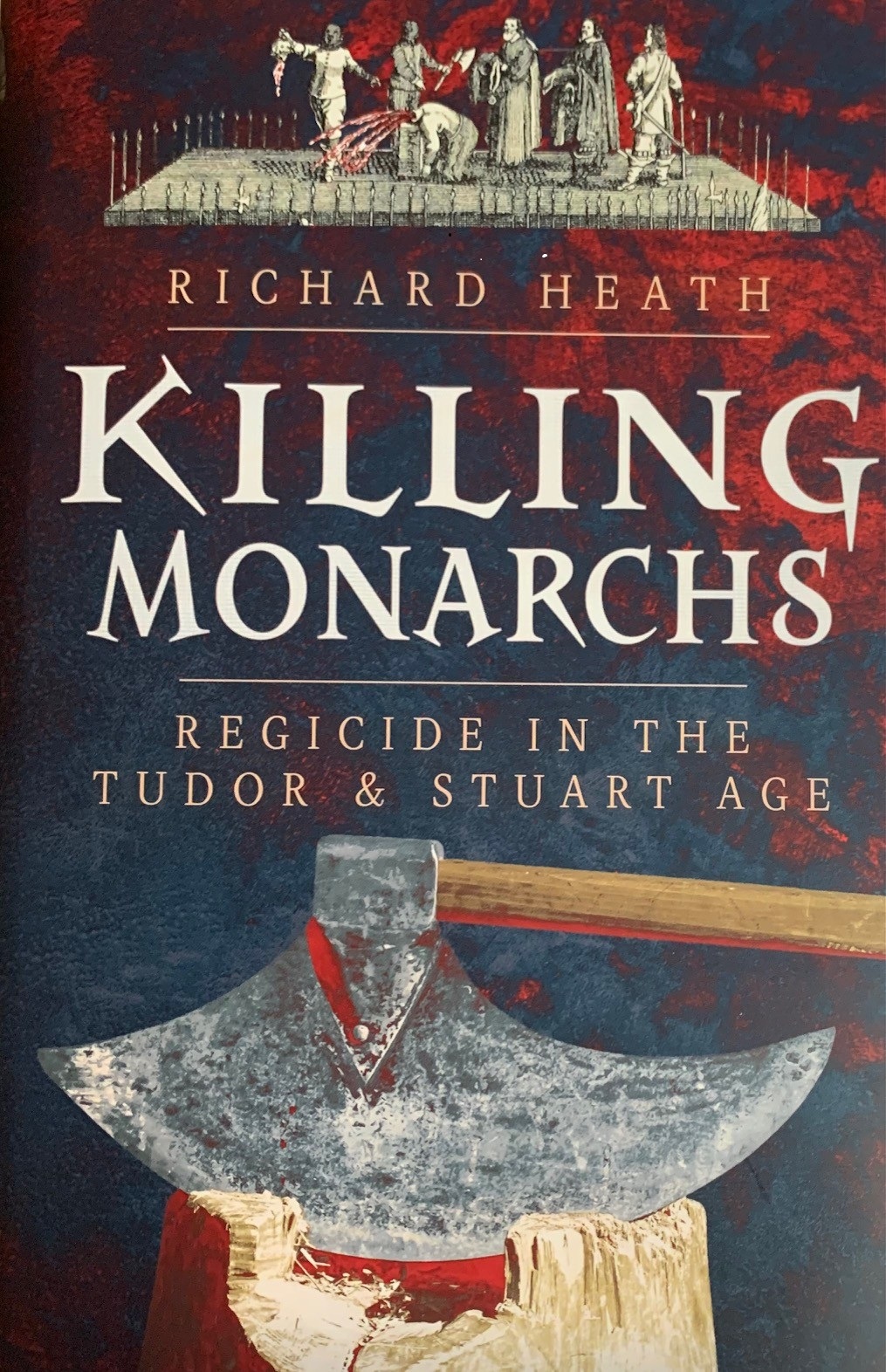
‘Killing Monarchs’ – A new book by Richard Heath

The Battle of Pavia – 24th February 1525 – Short Read
February 24, 2025Many European monarchs were murdered or executed between 1550 and 1650. In a journey across Europe, from England and Scotland, through France and further east to Russia and the Ottoman Empire, then back to England, this book investigates ten such killings, the motives and methods of the perpetrators, and the impact on the country and its people.
'Killing Monarchs - Regicide in the Tudor and Stuart Age'
Rulers (and would-be rulers) have always faced the possibility of a violent death. Between the seventh and eighteenth centuries over 20% of all British and European monarchs suffered such a fate. Some died in battle or in accidents but most of them were murdered or executed. During the time of the Tudors and Stuarts some monarchs were the victims of lone assassins, some were killed after palace coups led by relatives or royal officials, and others after being defeated in a civil war. Their manner of death included public beheading, internal injury as a result of a knife attack, being hacked down by a group of noblemen, and ritual strangulation with a silk cord.
Killing Monarchs takes us on a journey across Europe. Starting in England and Scotland (Lady Jane Grey and Mary Queen of Scots), it moves to France (Kings Henry III and Henry IV), and then further east to Russia (Tsar Feodor II and various pretenders to the throne) and the Ottoman Empire (Sultans Osman II and Ibrahim I). It then returns to Britain to consider why Charles I was executed.
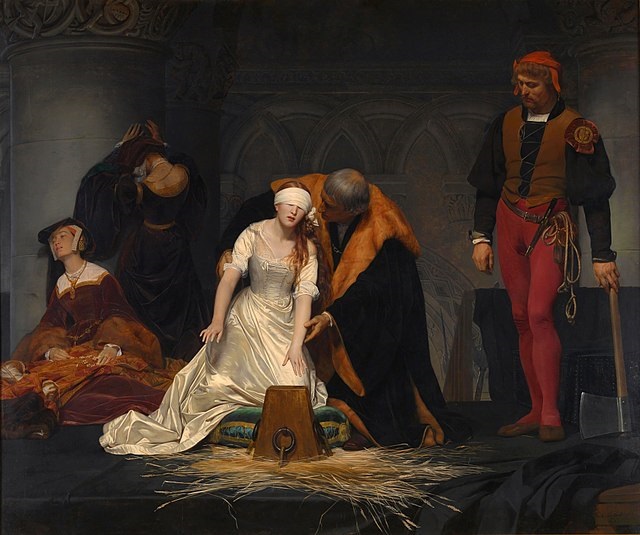
The Execution of Lady Jane Grey by Paul Delaroche
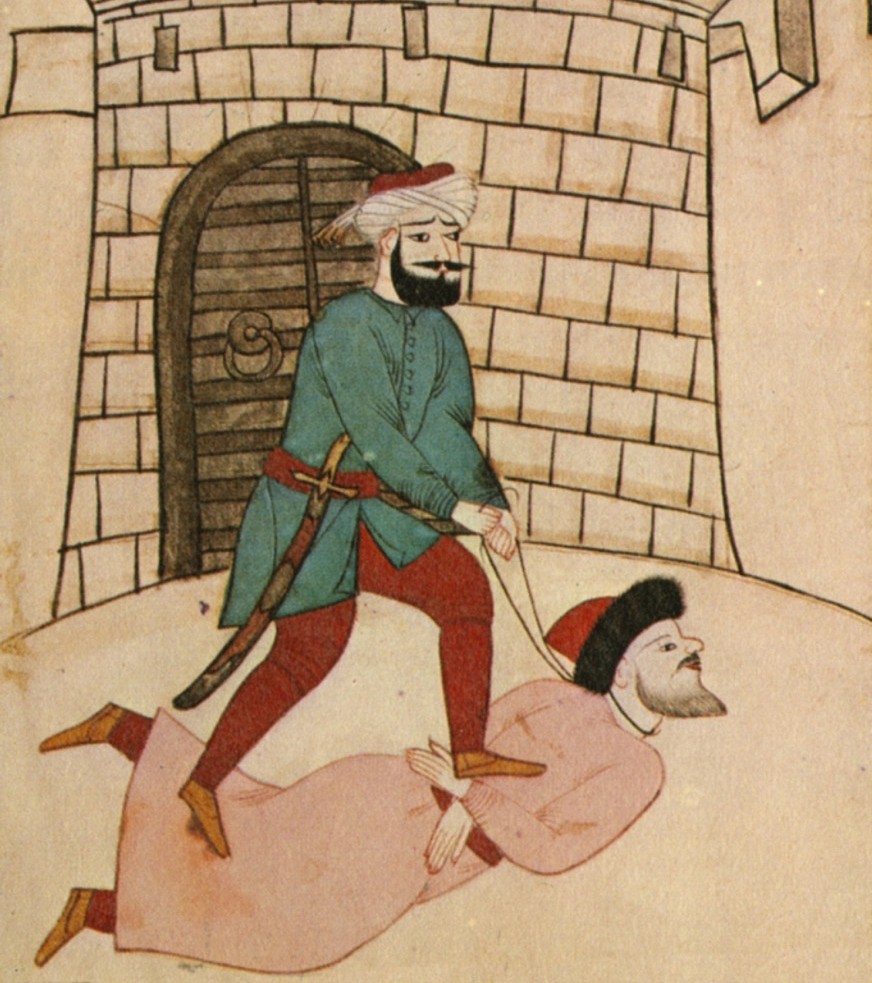
An Ottoman Ritual Strangulation
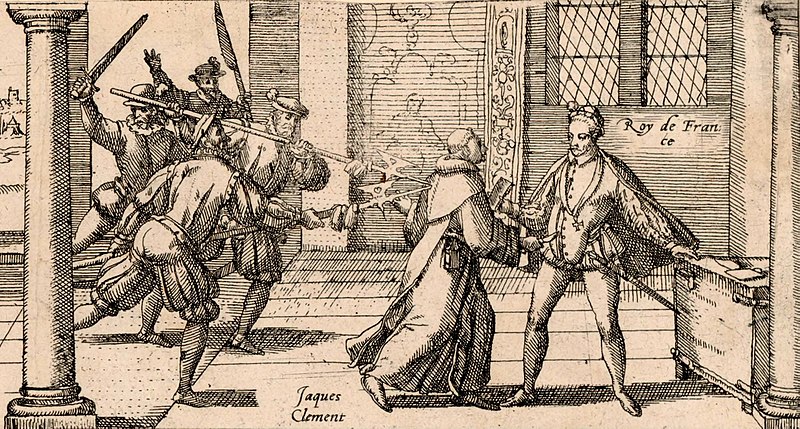
The murder of King Henry III of France in 1589.
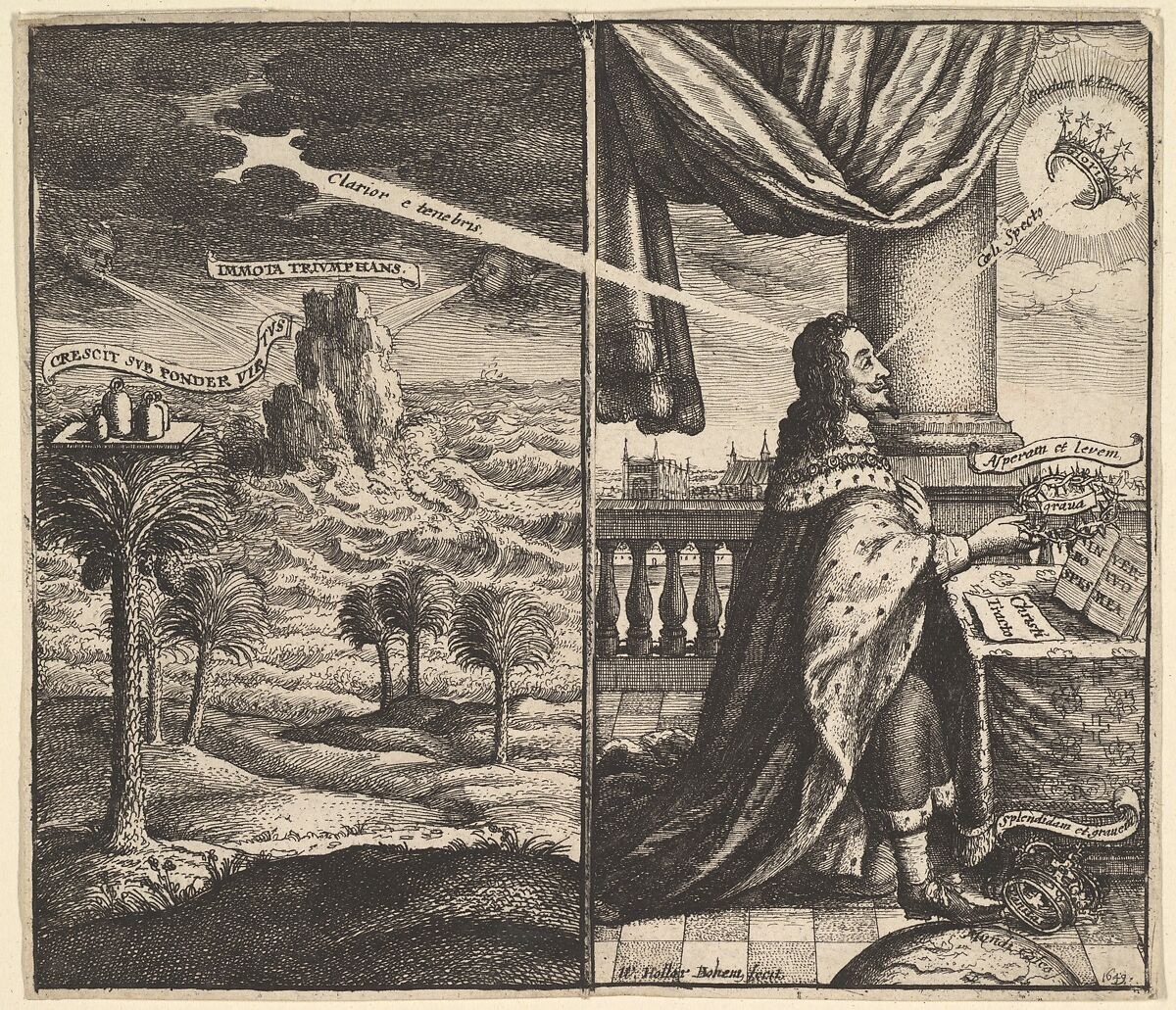
The Frontispieceof 'Eikon Basilike - The Portrait of His Sacred Majesty ..' , one of the most effective propaganda publications of the age, which began the cult of Charles the Martyr.
This study of ten killings provides a fascinating variety in terms of the perpetrators. It gives a clear picture of the various forces that existed in different societies at the time and these are reflected in the motives of the regicides - the killers of monarchs – even though many were not honest about them. The lust for power, the desire for a more effective leader, religious differences, and occasionally the wish to do away with monarchy altogether, all played a significant role, providing a cast of religious zealots, self-interested nobles, defenders of dynasties, palace plotters and those seeking to overturn the political structure.
To what extent did the regicides succeed in achieving their purposes, what was their ultimate fate and what impact did these killings have on their country and its people?
